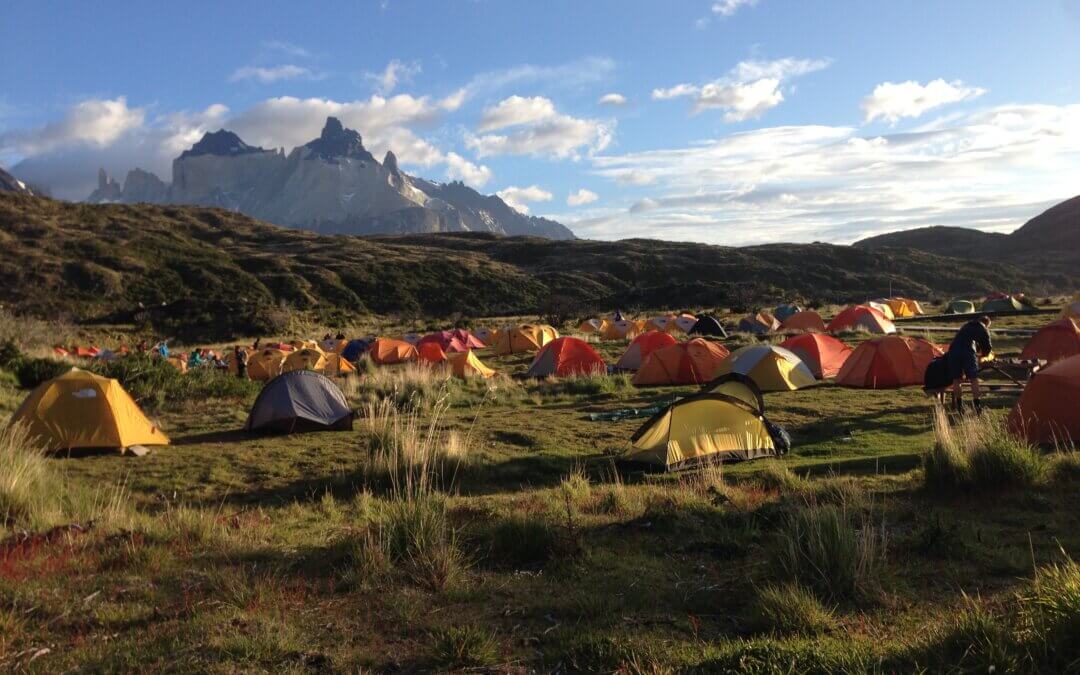
Overcrowded Tourism in Torres del Paine: Why Exploring Shoulder Seasons is the Solution
Torres del Paine National Park, nestled in Chile’s stunning Patagonian wilderness, is a dream destination for outdoor enthusiasts and adventurers. However, the park’s growing popularity has led to a significant challenge: overcrowded tourism. While the breathtaking landscapes, iconic peaks, and vibrant biodiversity draw thousands of visitors each year, this influx comes at a cost to both the environment and the quality of visitor experiences.
The Impact of Overcrowding in Torres del Paine
During peak tourist seasons (typically December through February), Torres del Paine sees a surge in visitors. This overwhelming number of travelers creates several pressing issues:
- Environmental Degradation: The park’s fragile ecosystems are increasingly at risk due to foot traffic, littering, and the strain on resources like water and waste management systems. Popular trails such as the W Trek and O Circuit are particularly vulnerable to damage.
- Diminished Experience: With more people on the trails, it’s harder to enjoy the solitude and connection to nature that make Torres del Paine so special. Campsites and lodges become crowded, and the peaceful beauty of the park can feel compromised.
- Pressure on Local Communities: The infrastructure supporting the influx of visitors, from transportation to lodging, often struggles to keep up, creating challenges for local residents and businesses.
Why Shoulder Seasons Are the Answer
Visiting Torres del Paine during the shoulder seasons—spring (September to November) and fall (March to May)—offers a solution to overcrowding. Here’s why:
- Fewer Crowds: Experience the park’s trails and vistas in tranquility, free from the throngs of peak season tourists.
- Enhanced Scenery: Shoulder seasons bring unique beauty to Torres del Paine. In spring, wildflowers bloom across the landscape, while fall offers stunning hues of red, orange, and yellow foliage.
- Better Wildlife Spotting: With fewer visitors, animals such as guanacos, foxes, and the elusive puma are more likely to be spotted in their natural habitat.
- Environmental Benefits: Spreading out tourism helps reduce the concentrated pressure on ecosystems and infrastructure, aiding conservation efforts.
- Cost Savings: Flights, accommodations, and guided tours are often more affordable during these off-peak months, making your trip more budget-friendly.
How You Can Help
As travelers, we play a vital role in preserving Torres del Paine for generations to come. By choosing to visit during shoulder seasons, you contribute to sustainable tourism practices that benefit both the park and its surrounding communities. Additionally, practicing Leave No Trace principles—such as carrying out all waste, staying on marked trails, and respecting wildlife—further minimizes your impact.
Final Thoughts
Torres del Paine is a jewel of Patagonia, but its beauty is not infinite. Overcrowding threatens the delicate balance that makes this destination so extraordinary. By exploring the park during shoulder seasons, you can enjoy a richer, more meaningful experience while helping to protect this natural wonder for future adventurers. Let’s be mindful travelers and preserve the magic of Torres del Paine for years to come.
Ready to plan your trip? Consider visiting in the fall or spring—you’ll discover a side of Torres del Paine that few others get to experience, and you’ll be making a positive impact along the way. Ask our specialist about your dream trip.